Low Taper Fade Asian Hair: Best Styles, Hair Tips & Styling Ideas
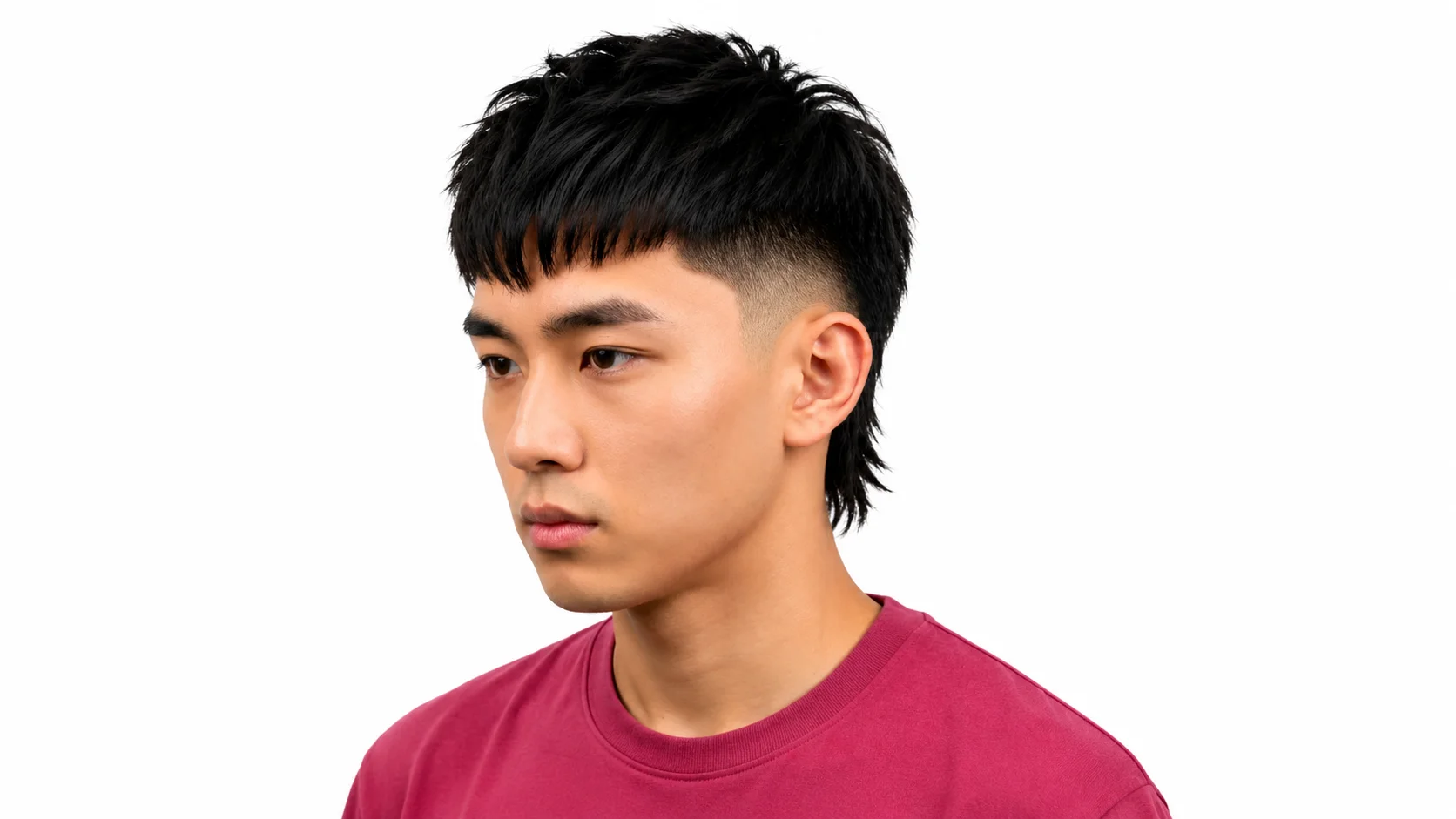
Low taper fade Asian hair combines a clean, gradual taper around the temples and neckline with the natural characteristics commonly found in Asian hair, such as straight texture, high density, strong growth patterns, and noticeable natural volume.
But what makes Low taper fade Asian hair different from a standard low taper? Who can wear it, why does it work so well with Asian hair, and which style should you choose for your hair type and face shape? Asian hair is not one single texture, so the best result depends on whether your hair is straight, thick, fine, slightly wavy, curly, short, or longer on top. A low taper can be adjusted around these differences instead of using the same haircut for everyone.
The taper keeps the area around the ears and neckline neat while leaving enough weight above it for textured tops, fringes, middle parts, blowouts, quiffs, or even a subtle mullet-inspired finish.
This guide focuses specifically on the combination of Asian hair and low taper fading, rather than repeating a general modern mullet or Asian hairstyle guide. You will find 12 fresh style ideas, recommendations for different Asian hair textures, styling techniques, maintenance advice, suitable products, face shape guidance, barber instructions, comparisons, and FAQs.
Whether you want a Korean inspired finish, textured fringe, middle part, blowout, quiff, or longer top, the goal is to help you choose a style that works with your natural Asian hair characteristics rather than fighting them. Low taper fade Asian hair can be customized to create anything from a subtle everyday haircut to a more textured and fashion-forward look.
What Makes Asian Hair Different for a Low Taper?
Asian hair often has a naturally straight appearance, substantial density, and a tendency to maintain its shape strongly after cutting. This can be an advantage because a low taper fade Asian hair style creates a clean outline while the hair above it retains natural volume.
However, dense straight hair can also become bulky around the sides if the transition is not controlled correctly. A barber may need to remove small amounts of weight above the taper rather than simply taking the taper higher.
For Asian hair, the quality of the transition is especially important. The taper should gradually disappear around the temple and neckline instead of creating a harsh disconnected line.
Why Choose a Low Taper Fade for Asian Hair?
A low taper fade Asian hair style is versatile because it cleans up the edges without removing too much hair from the sides. This is particularly useful when you want to preserve the fullness that makes Asian hair look substantial.
It can also be paired with many different top styles. You can keep the top straight and natural, add a textured fringe, create a middle part, push the hair into a blowout, or style it into a quiff.
The result can therefore be clean enough for everyday wear while still allowing the top to show personality.
Fresh Low Taper Fade Asian Hair Styles
Textured Top Asian Low Taper Fade
An Asian low taper fade with textured top keeps the sides and neckline clean while leaving enough length above the taper to create separated texture. This works especially well with dense straight hair that naturally holds volume.
Best For: Thick, straight Asian hair.
Styling Tip: Apply a small amount of matte paste and pinch the top into separated sections with your fingers.
Maintenance: Clean the taper every 2 to 3 weeks and reshape the textured top every 4 to 6 weeks.
Korean Inspired Low Taper Fade
A Korean inspired low taper keeps the fade subtle while allowing the top to remain soft, layered, and naturally flowing. The emphasis is on a controlled silhouette rather than an extremely sharp contrast.
Best For: Straight or slightly wavy Asian hair.
Styling Tip: Use lightweight styling cream and blow-dry the fringe forward or slightly sideways.
Maintenance: Keep the neckline and temple area tidy while preserving enough top length for the softer shape.
Middle Part Low Taper Fade Asian Hair
An Asian low taper fade middle part combines a clean lower section with a longer top that separates naturally down the center. The contrast creates a modern look without requiring an aggressive fade.
Best For: Medium-to-long straight Asian hair.
Styling Tip: Create the part while the hair is damp, then blow-dry both sides away from the center.
Maintenance: Maintain the taper every few weeks while trimming the front layers only when they become difficult to control.
Blowout Low Taper Fade for Asian Hair
An Asian low taper fade blowout leaves the lower sides clean while the top and upper sides are styled outward and upward. Thick Asian hair can provide excellent natural volume for this look.
Best For: Thick, straight, or slightly wavy hair.
Styling Tip: Use a volumizing mousse before blow-drying and direct the hair upward and away from the face.
Maintenance: Refresh the taper regularly and use lightweight products so the blowout does not become heavy.
Straight Hair Low Taper Fade
A low taper fade Asian straight hair style takes advantage of naturally straight strands to create a neat, controlled top. The low taper provides a clean perimeter without sacrificing the fullness above it.
Best For: Straight Asian hair with medium or high density.
Styling Tip: Use a light styling cream for natural control or matte paste for more texture.
Maintenance: Keep the taper clean and ask your barber to remove excess side weight without making the haircut too narrow.
Explore : Modern Mullet Straight Hair
Textured Fringe Low Taper Fade
An Asian low taper fade with textured fringe gives straight hair more movement around the forehead. The fringe can be short, medium, broken, or slightly messy depending on your preferred appearance.
Best For: Straight, thick, or medium-density hair.
Styling Tip: Apply matte clay sparingly and use your fingertips to separate the fringe rather than creating a perfectly straight line.
Maintenance: Trim the fringe every 3–5 weeks if you want it to remain above the eyes.
Soft Mullet-Inspired Low taper fade Asian
This style takes inspiration from the modern mullet without copying a traditional mullet shape. The back remains slightly longer while the low taper keeps the temples and neckline controlled.
Best For: Asian hair that grows naturally well at the back.
Styling Tip: Keep the top textured and allow the back to flow naturally instead of using heavy product.
Maintenance: Shape the back every 5 to 7 weeks while cleaning the taper more frequently.
Curly Low taper fade Asian hair
A low taper fade modern mullet curly hair combination can also work when Asian hair has a natural curl or strong wave pattern. The taper controls the edges while the textured top remains full.
Best For: Naturally curly or strongly wavy Asian hair.
Styling Tip: Use curl cream and scrunch the hair while damp to preserve definition.
Maintenance: Avoid excessive thinning and reshape the curls every 5 to7 weeks.
Explore : Modern Mullet Curly Hair
Long on Top Low taper fade Asian
A low taper fade long on top Asian style gives you considerable styling freedom. The top can be swept backward, separated into a middle part, styled forward, or left naturally textured.
Best For: Men who want one haircut with multiple styling options.
Styling Tip: Use a lightweight mousse for volume before blow-drying.
Maintenance: Keep the taper clean while allowing the top to grow until it reaches your preferred styling length.
Explore : Long Modern Mullet
Asian Low Taper Fade Comb Over
An Low taper fade Asian hair comb over gives straight hair a polished direction while keeping the sides understated. The longer top can be swept diagonally rather than divided into a rigid traditional part.
Best For: Straight, dense, medium-length hair.
Styling Tip: Blow-dry the top diagonally and finish with a small amount of lightweight pomade.
Maintenance: Maintain the taper every 2–3 weeks and reshape the top every 5–6 weeks.
Explore : Modern Mullet Asian
Quiff Low Taper Fade Asian Style
A low taper fade quiff Asian style uses the natural density of Asian hair to create controlled height at the front. The taper keeps the lower section clean while the quiff becomes the main feature.
Best For: Thick, straight Asian hair.
Styling Tip: Apply volumizing mousse to damp roots before blow-drying upward and slightly backward.
Maintenance: Keep the front layers shaped so they do not become too heavy and flat.
Low taper fade Asian hair Undercut
A subtle low taper fade undercut Asian style creates separation between the longer top and the cleaner lower section. Unlike a very high undercut, the lower transition remains controlled and closer to the natural hairline.
Best For: Thick hair and people who prefer stronger contrast.
Styling Tip: Push the top backward or keep it textured to emphasize the difference between the upper and lower sections.
Maintenance: The sides require regular clean-up, while the longer top can be maintained every 5 to 7 weeks.
Explore : Low Taper Modern Mullet
Asian Hair Type & Low Taper Guide
| Asian Hair Type | Best Taper Approach | Recommended Top |
|---|---|---|
| Very Straight | Soft low taper | Textured or middle part |
| Thick Straight | Controlled low taper | Quiff or textured top |
| Fine Straight | Light low taper | Layered top |
| Slightly Wavy | Soft low taper | Flow or fringe |
| Curly | Low taper with weight | Defined curls |
| Long Hair | Very low taper | Flowing top |
| Coarse Hair | Controlled taper | Textured layers |
Best Hair Products for Asian Low Taper Styles
| Product | Best For | Finish |
|---|---|---|
| Matte Clay | Thick straight hair | Textured |
| Styling Cream | Natural styles | Soft |
| Sea Salt Spray | Fine or wavy hair | Textured |
| Volumizing Mousse | Blowouts and quiffs | Voluminous |
| Light Pomade | Comb overs | Controlled |
| Curl Cream | Curly Asian hair | Defined |
| Texture Powder | Fine hair | Dry volume |
| Heat Protectant | Blow-drying | Protected |
What Does an Asian Low Taper Fade Look Like?
An Asian low taper fade normally starts very low around the sideburn and neckline area. Instead of removing a large portion of the sides, the barber gradually reduces the hair and blends it into the surrounding length.
The result is cleaner around the edges while keeping much of the natural density above the taper. This makes low taper fade Asian hair a practical choice for people who want a neat finish without losing the fullness of their natural hair.
This is different from a high fade, where the shorter area travels significantly farther upward. A low taper is therefore a good option when you want neat edges without dramatically changing the overall shape.
Types of Fades for Asian Hair
Asian hair can work with several fade approaches, but the choice should depend on the desired amount of contrast.
A Low taper fade Asian hair keeps the most natural weight. A low fade removes more hair around the lower sides. A mid fade creates a stronger transition, while a high fade produces the most noticeable contrast.
For thick Asian hair, a low taper can be particularly useful when you want to preserve density while controlling the edges.
Asian Low Taper Fade vs Modern Mullet
These are not necessarily competing haircuts. A low taper describes the side and neckline technique, while a modern mullet describes the overall haircut shape.
That means you can combine them. A subtle longer back with a low taper can create a softer mullet-inspired appearance, while a conventional low taper with a textured top can have no mullet element at all.
Asian Low Taper Fade vs Middle Part
A middle part focuses on how the longer top is divided and styled, while the low taper controls the lower sides and neckline.
You can actually combine both. An Low taper fade Asian hair middle part can give you the clean edges of a taper while keeping the relaxed curtain-like movement of a middle part.
Asian Low Taper Fade vs Textured Fringe
A textured fringe puts more attention toward the forehead, while the taper provides the clean structure around the sides.
For thick straight Asian hair, the combination can be particularly effective because the fringe adds movement to hair that might otherwise fall heavily and uniformly.
Barber Recommendation: What Should You Ask For?
Instead of saying only “give me a low taper,” explain how you want the top and sides to behave.
A useful barber instruction would be:
“Keep the taper very low around the temples and neckline. I want to preserve my Asian hair’s natural density above the taper, with a textured top and a clean but soft transition.”
Then specify your preferred top:
⭐ Textured fringe for a casual appearance
⭐ Middle part for a longer, softer look
⭐ Blowout for volume
⭐ Quiff for height
⭐ Comb over for a polished finish
⭐ Long top for styling flexibility
⭐ Mullet-inspired back for a subtle longer shape
If your hair is very thick, tell your barber whether you want the bulk reduced. Avoid asking for excessive thinning without discussing how it will affect the shape.
Low Taper Fade Asian Hair: Comparison
| Style | Side Finish | Top Length | Best Hair | Overall Look |
|---|---|---|---|---|
| Low Taper + Textured Top | Low taper | Medium | Thick straight | Modern |
| Low Taper + Middle Part | Low taper | Long | Straight | Soft |
| Low Taper + Blowout | Low taper | Medium-long | Thick | Voluminous |
| Low Taper + Textured Fringe | Low taper | Medium | Straight/wavy | Casual |
| Low Taper + Mullet-Inspired Back | Low taper | Medium-long | Thick/wavy | Edgy |
Common Mistakes With Low taper fade Asian hair
👉 Taking the Taper Too High:
A low taper should remain low. Taking it too high can remove the natural density that makes the hairstyle look full.
👉 Ignoring Hair Density:
Thick Asian hair can quickly become bulky. The solution is controlled weight removal rather than automatically making the taper higher.
👉 Making the Top Too Heavy:
A long top can look excellent, but excessive weight may make straight hair collapse over the forehead.
👉 Over-Thinning Straight Hair:
Aggressive thinning can make the ends look weak or uneven. Ask your barber to remove only the amount of bulk necessary.
👉 Using Too Much Product:
Dense Asian hair does not always need heavy styling products. Start with a small amount and build gradually.
Low Taper Fade Asian Hair Maintenance
A clean low taper normally needs more frequent edge maintenance than the longer top.
For a consistently fresh appearance, clean up the temples and neckline approximately every 2 to 3 weeks. A complete haircut can usually be reshaped every 4 to 6 weeks, depending on how quickly your hair grows.
If you are growing the top longer, avoid cutting it unnecessarily. Your barber can maintain the taper while preserving the length you need for a middle part, blowout, quiff, fringe, or mullet-inspired shape.
Final Thoughts
Low Taper Fade Asian Hair is a versatile choice when you want clean edges without sacrificing the natural density, texture, or length of Asian hair. The low placement keeps the taper subtle, while the top can be customized into a textured fringe, middle part, blowout, quiff, comb over, or longer flowing style. For many hair types, Low Taper Fade Asian Hair provides a balanced combination of clean edges and natural volume.
The best result depends less on copying a specific haircut and more on matching the taper to your hair texture, density, face shape, and preferred styling routine. Thick straight hair may benefit from controlled weight removal, while fine hair usually needs lightweight layering and volume. Wavy and curly Asian hair should retain enough weight to preserve natural movement.
If you want a modern mullet-inspired finish, the low taper can also be blended into a slightly longer back without making the haircut look overly disconnected. The key is keeping the taper low and allowing the upper sections to create the character of the hairstyle. For your barber, be specific about how much hair you want preserved around the sides, how low you want the taper, and how you want the top styled. A reference photo can make the desired shape much easier to communicate.
With the right cut and maintenance routine, Low Taper Fade Asian Hair can give you a clean, modern appearance while still allowing your natural hair characteristics to stand out.